

Posted by Skylights2Go on Feb 5th 2026
Sizing Standards: Navigating VELUX Rough Opening Requirements
When you start planning a skylight project, the most critical piece of information isn’t the glass type or the blind color—it is the measurement of the hole in your roof. Ordering a skylight based on a "best guess" or a quick measurement of the interior drywall is the most common reason projects get delayed. To get the order right the first time, you have to understand the difference between the rough opening, the curb dimensions, and the actual product size.
In the world of VELUX, everything is built around standardized sizing. Whether you are installing a new unit or replacing one that has been there for twenty years, the math has to be precise to ensure the flashing kit fits and the unit remains watertight.
Defining the Rough Opening
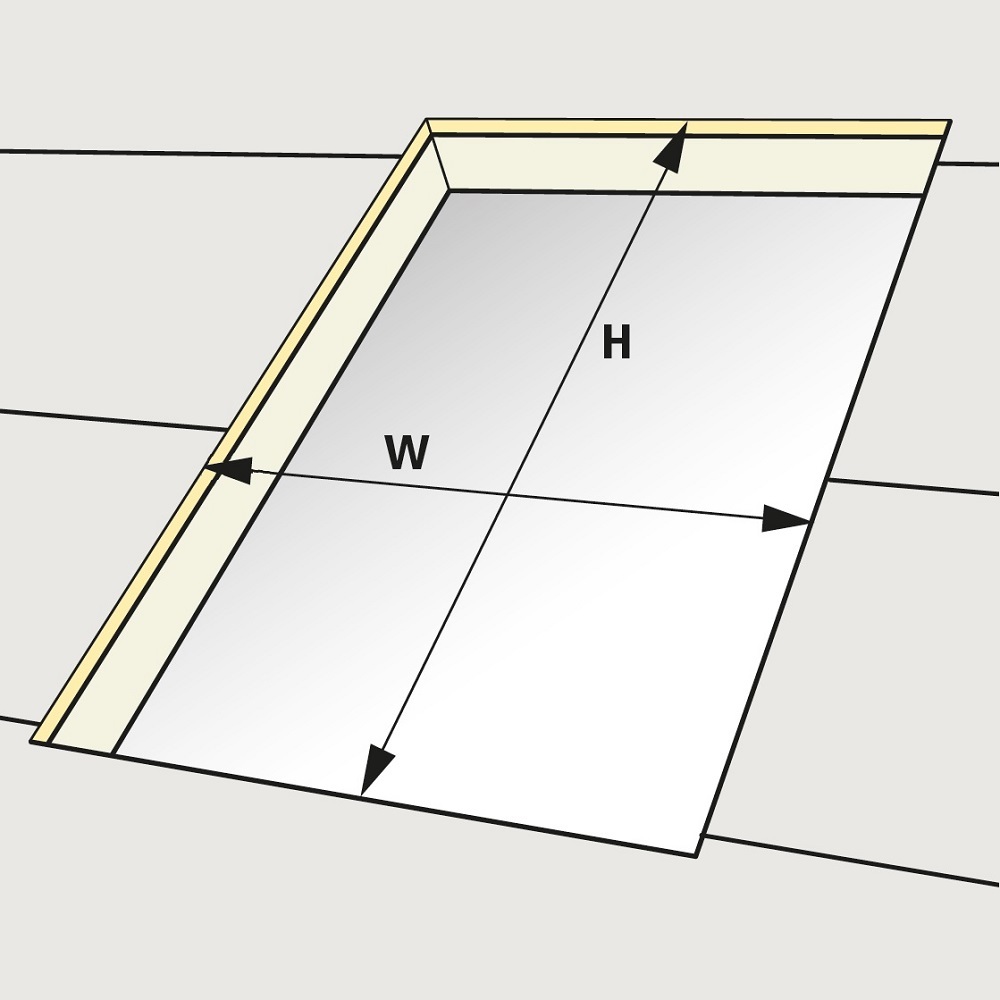
The "rough opening" refers to the structural frame created by your roof rafters or trusses. This is the actual clear space where light will pass through. When you look at a VELUX size chart, the dimensions listed (for example, 21 inches by 45 ¾ inches) are typically referring to this structural opening.
If you are building a new home, your framer will create this opening based on the technical specifications of the model you’ve selected. However, if you are retrofitting a skylight into an existing roof, you need to measure the distance between the inside of the wood frame. You should measure both the width and the height at the top, middle, and bottom to ensure the opening is "square." If the opening is even slightly trapezoidal, the skylight frame may not sit flat, which can lead to structural stress on the glass or failure of the seals.

Deck-Mount vs. Curb-Mount Measurements
The way you measure changes depending on which mounting system you choose.
Deck-Mounted Skylights: These units are designed to be nailed directly to the roof deck. For these, the rough opening measurement is everything. The unit has a built-in wood frame and a "gasket" that sits over the hole you’ve cut. If your rough opening is too wide, there won’t be enough wood for the skylight to bite into. If it’s too narrow, the unit simply won't fit through the hole.
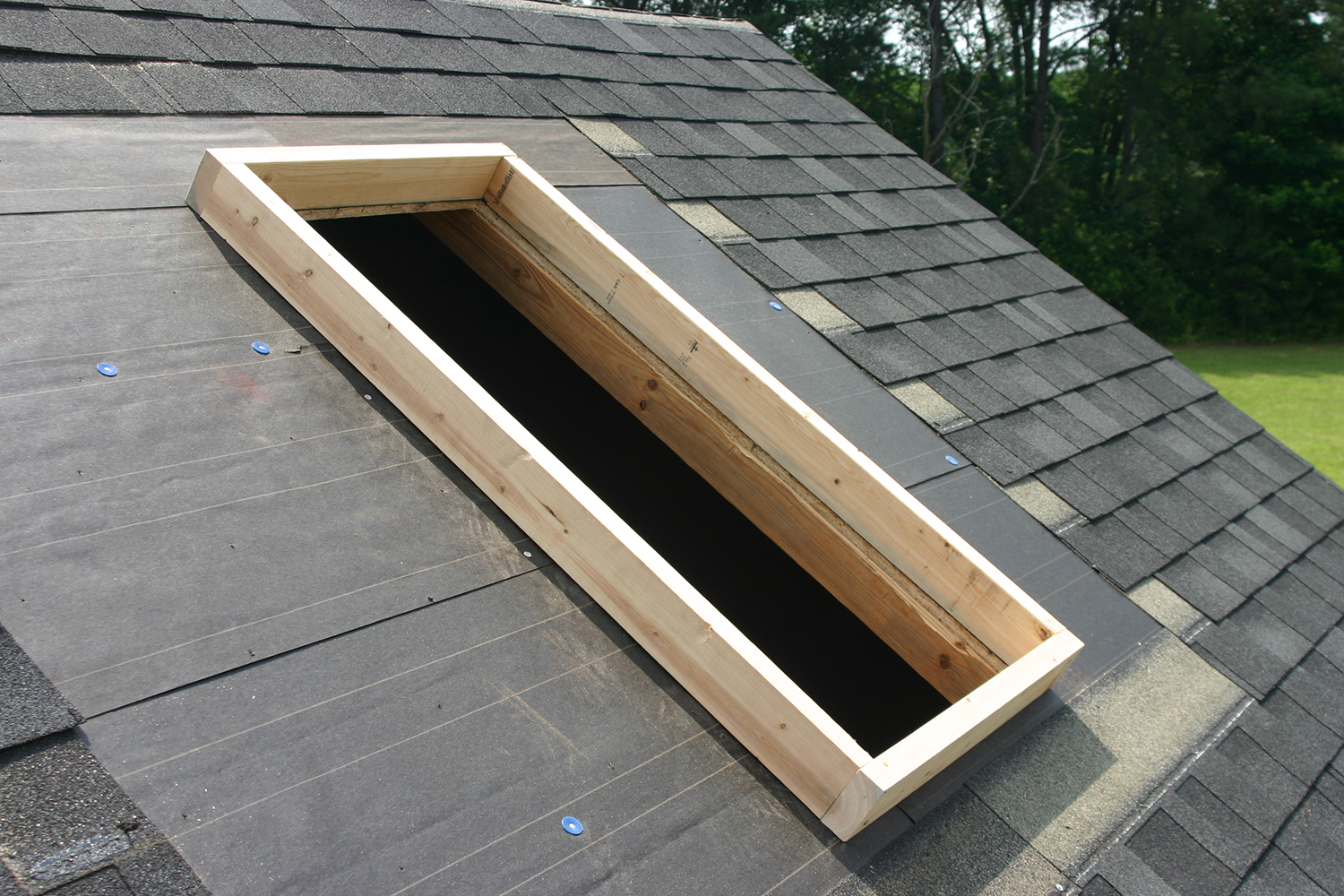
Curb-Mounted Skylights: These are essentially "lids" that sit on top of a wooden box (the curb) that sits on your roof. For these, the most important measurement is the outside dimension of that wooden box. If you are replacing an old curb-mounted unit, you should remove the old skylight and measure the length and width of the wood frame including the thickness of the 2x4s or 2x6s. VELUX curb-mounted units are designed to have a small amount of "play" to fit over standard curb sizes, but getting the outside dimension right is what ensures the flashing can wrap properly around the base.
Reading the VELUX Size Codes
One of the most helpful things VELUX did was create a standardized coding system. Instead of remembering "21 by 45," you might see a code like "C06" or "M08". These codes correspond to specific physical dimensions.
If you are replacing an existing VELUX unit, you don't actually need to get on the roof with a tape measure to find the size. Every VELUX unit manufactured after the mid-90s has a small metal data plate usually found on the top inside edge of the frame. This plate will list the model (like FS for fixed or VS for manual venting) and the size code. Providing that code is the fastest and most accurate way to ensure your new unit matches the old footprint exactly.
Accounting for Drywall and Finish Work
A common mistake is measuring the "finished" opening—the part you see from your living room floor. Drywall, trim, and paint can eat up an inch or more of space. When spec’ing a skylight, you need to know what is happening behind that drywall.
If you have a "light shaft"—meaning your roof is several feet above your ceiling—the shaft often flares out to spread more light into the room. In these cases, the rough opening at the roofline might be 21x45, but the opening at your ceiling might be 40x60. Always base your product order on the roof-level structural framing, not the ceiling-level finish.
Why Precision Matters for Flashing
The flashing is the series of aluminum plates that weave into your shingles to keep water out. VELUX flashing kits are manufactured to fit specific size codes. If you order an "almost right" size and try to "make it work" by adjusting the framing, the pre-fabricated flashing kit will likely no longer align with the unit’s channels.
When you get the rough opening right, the flashing kit snaps together like a puzzle. It’s designed to redirect water around the unit using gravity and specific overlapping patterns. If the sizing is off, you end up relying on sealants and caulk, which eventually fail in the heat and rain.
By taking the time to pull back a bit of trim or get into the attic to measure the actual rafters, you eliminate the guesswork. Getting the structural dimensions right is the first step toward a project that looks professional and, more importantly, stays dry for the next twenty years.